
Exploring the Latest Innovations in Solar Charge Controllers and Controllers

Exploring the Latest Innovations in Solar Charge Controllers and Controllers
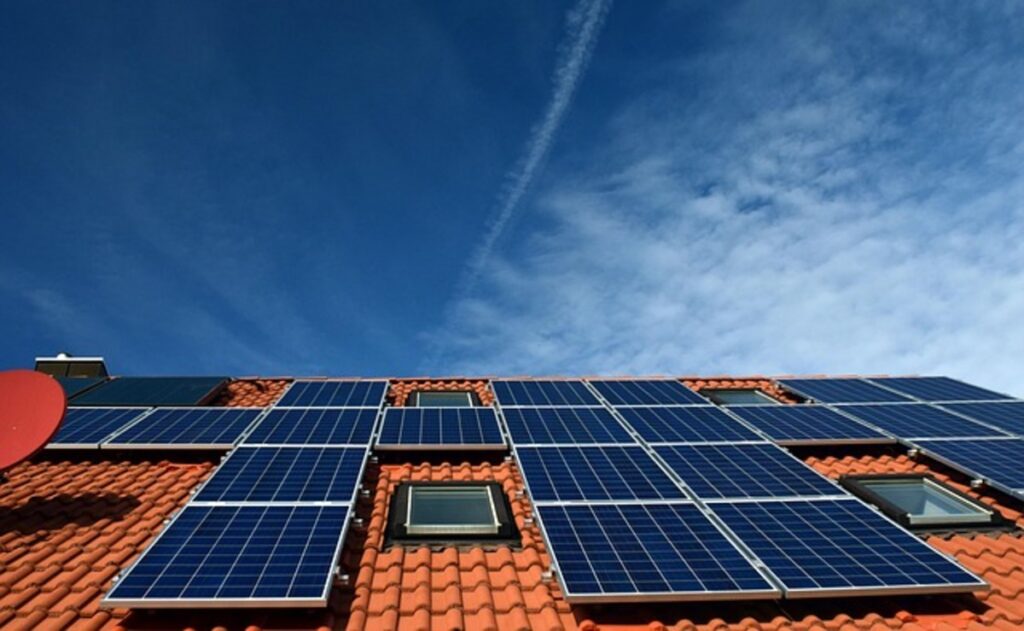
I. Introduction Solar charge controllers and hybrid inverters sit at the heart of any residential PV system, regulating power flow, maximizing energy harvest, and protecting batteries. In 2025, rapid technological advances—from AI‑driven Maximum Power Point Tracking (MPPT) algorithms to blockchain‑enabled grid services—are transforming these once‑static devices into intelligent, self‑optimizing components that deliver unprecedented efficiency and […]

Solar Controller vs. Hybrid Inverter: Making the Right Choice for Your Home
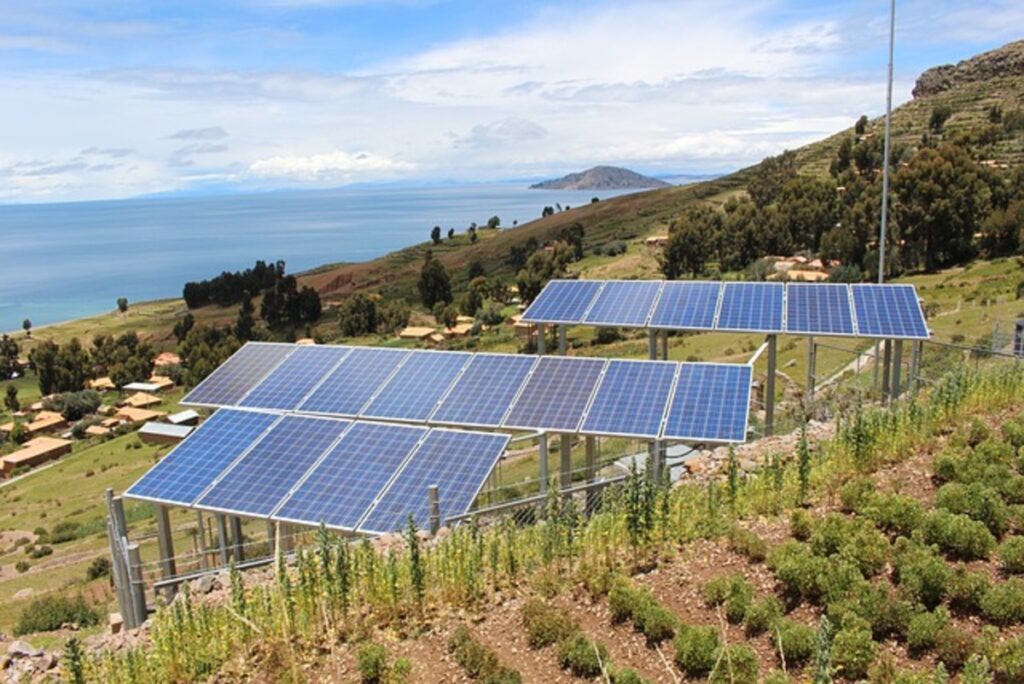
Solar Controller vs. Hybrid Inverter: Making the Right Choice for Your Home

I. Introduction As homeowners increasingly seek energy independence and lower utility bills, the adoption of solar energy has never been more vital. In off-grid or hybrid solar systems, two key components play a critical role in managing your home’s renewable energy: the solar charge controller and the hybrid inverter. While both are essential, they serve […]

Why Your Home Needs a Modern Solar Charge Controller Now

Why Your Home Needs a Modern Solar Charge Controller Now

I. Introduction As energy costs rise and the drive for sustainability grows stronger, more homeowners are turning to solar power to achieve energy independence and reduce environmental impact. A reliable solar home use system not only offers long-term savings but also contributes to a greener future. This step-by-step guide walks you through the planning, design, […]

A Step-by-Step Guide to Building a Reliable Solar Home Use System
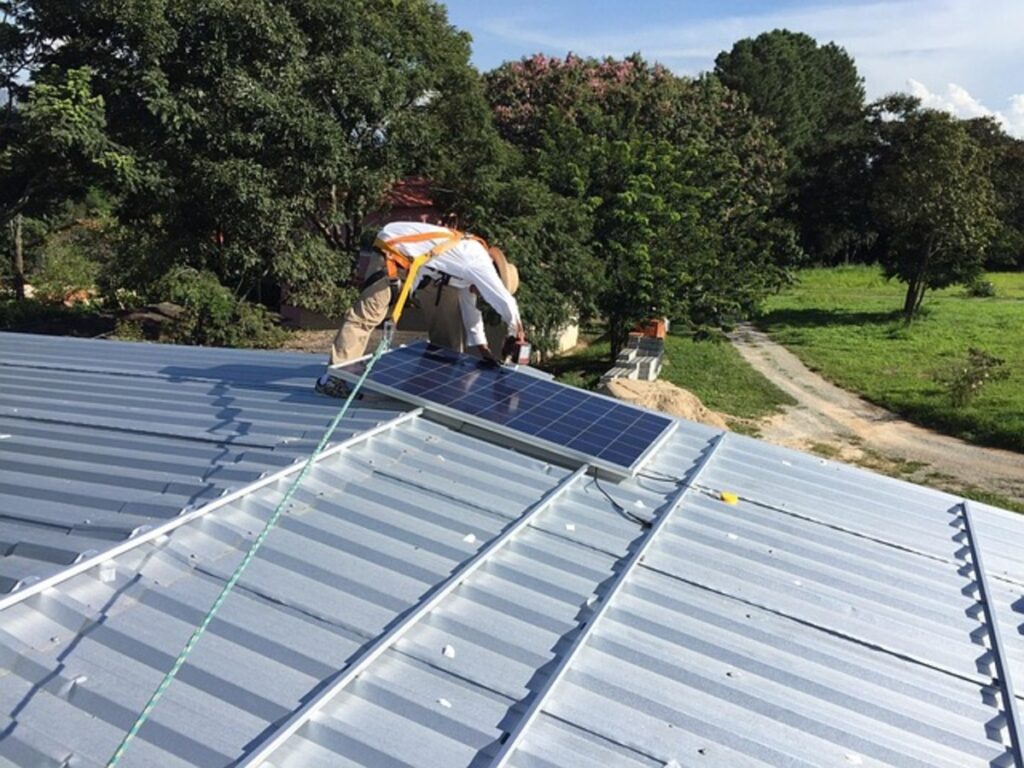
Future-Proof Your Home Energy: The Role of Hybrid Solar Inverters

I. Introduction As energy costs rise and the drive for sustainability grows stronger, more homeowners are turning to solar power to achieve energy independence and reduce environmental impact. A reliable solar home use system not only offers long-term savings but also contributes to a greener future. This step-by-step guide walks you through the planning, design, […]

Future-Proof Your Home Energy: The Role of Hybrid Solar Inverters
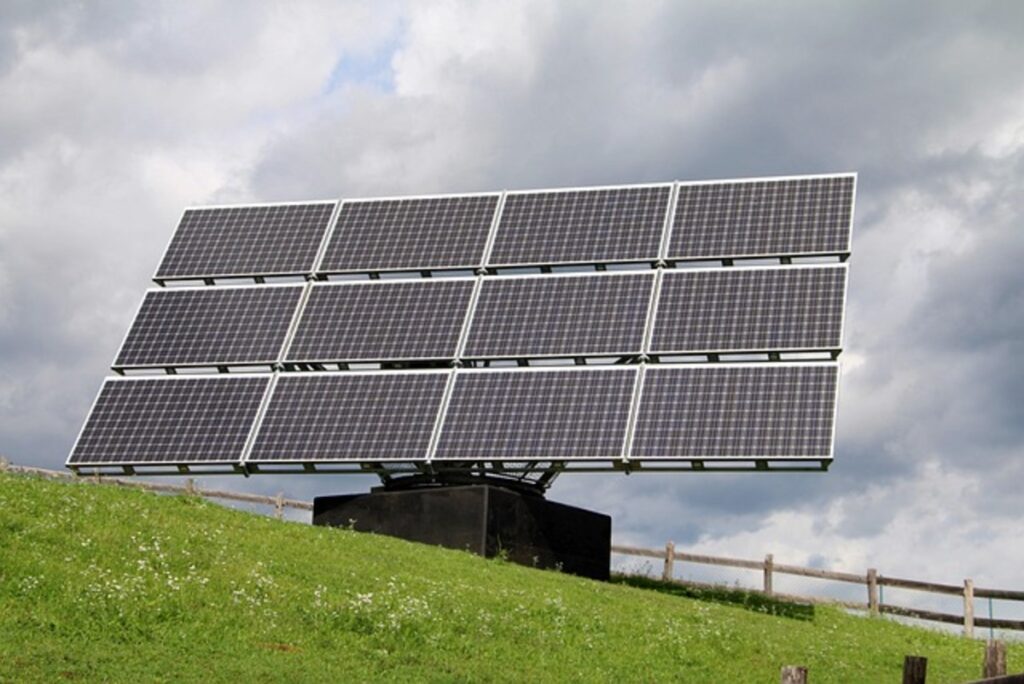
Future-Proof Your Home Energy: The Role of Hybrid Solar Inverters

I. Introduction In today’s rapidly evolving energy landscape, future-proofing your home with a resilient, adaptable energy system is more important than ever. Homeowners now demand solutions that reduce dependence on traditional utilities, lower energy bills, and minimize environmental impact. Hybrid solar inverters have emerged as a cornerstone of modern residential solar setups, offering a powerful […]

Top Benefits of Upgrading Your Home with a Solar Charge Controller

Top Benefits of Upgrading Your Home with a Solar Charge Controller

I. Introduction With the rapid growth of renewable energy solutions for residential use, more homeowners are turning to solar power to save on electricity bills, reduce their carbon footprint, and gain energy independence. While many focus on solar panels and inverters, a vital component often overlooked is the solar charge controller. Upgrading your home with […]

Comparing Solar Controllers: Which One Is Best for Your Off-Grid Solar System?

Comparing Solar Controllers: Which One Is Best for Your Off-Grid Solar System?

I. Introduction Off-grid solar systems offer an attractive solution for homeowners who seek energy independence, reliability, and cost savings. While many focus on solar panels and battery storage, one crucial component often overlooked is the solar controller. The solar controller is the unsung hero that regulates the power flow from the panels to your batteries, […]

Hybrid Solar Inverters 101: Powering Your Home with Renewable Energy

Hybrid Solar Inverters 101: Powering Your Home with Renewable Energy

I. Introduction In today’s renewable energy landscape, homeowners are increasingly turning to solar power systems to reduce utility bills, decrease environmental impacts, and gain energy independence. Hybrid solar inverters—devices that combine the functions of traditional inverters with integrated battery management—are a key component in these systems. They not only convert the direct current (DC) from […]

Solar Home Use Systems Explained: What Every Homeowner Should Know
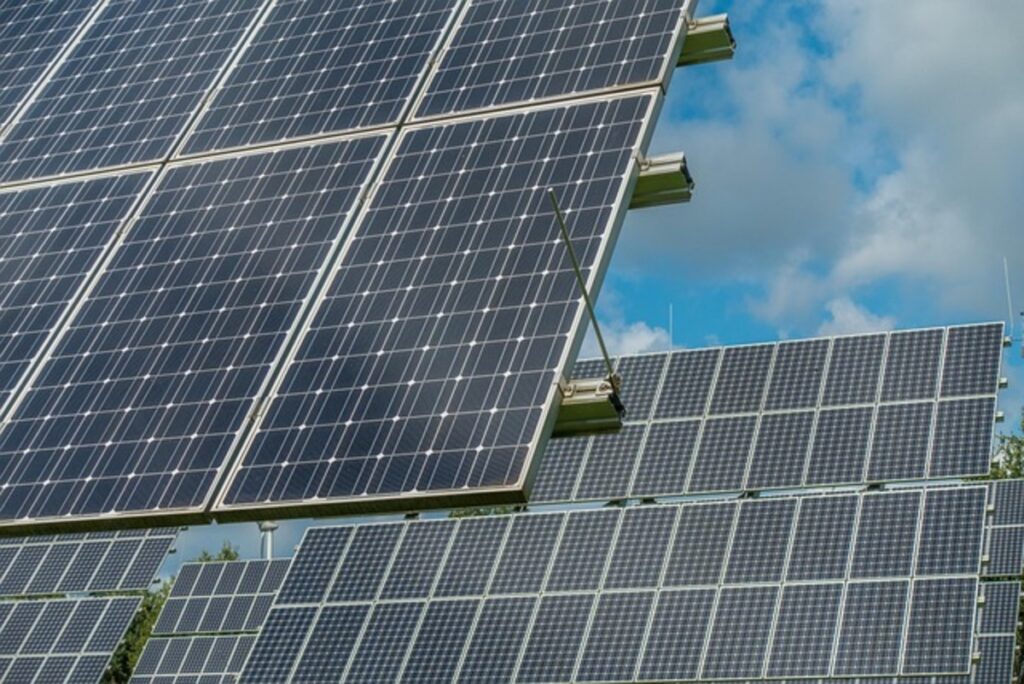
III. Comparing Solar Controllers and Hybrid Inverters A. Primary Focus Solar Charge Controllers: Focus solely on regulating the charging of batteries, ensuring efficient energy storage, and protecting battery health. They are specialized for maintaining optimal performance in the battery charging process. Hybrid Inverters: Provide a multi-functional approach by converting DC to AC, managing battery storage, and enabling grid-interactive operation. Hybrid inverters offer greater versatility by covering both energy conversion and backup functionalities. B. Efficiency and Performance Efficiency: MPPT solar charge controllers can boost energy harvest by dynamically optimizing panel output, leading to higher overall system efficiency. In contrast, hybrid inverters focus on converting and managing energy with high conversion efficiency and the ability to switch seamlessly between energy sources. System Flexibility: Hybrid inverters are capable of integrating with battery storage and the grid, offering versatility for homes that demand backup power during outages. Solar controllers, while effective in managing energy input, do not handle DC-to-AC conversion or grid interactions. C. Application Scenarios For Simple Off-Grid Systems: A stand-alone solar charge controller might be sufficient when the primary goal is efficient battery charging in a low-energy demand environment. For Integrated, High-Performance Systems: Hybrid inverters become essential in systems where homeowners want the benefits of both solar power conversion and reliable backup power, especially in areas with intermittent grid reliability. IV. Key Considerations for Making the Right Choice A. Assess Your Energy Needs Consumption Analysis: Evaluate your household’s daily and monthly energy usage to determine system size and load requirements. Future Growth: Consider potential energy increases as you add new appliances or expand your home. B. Technical Compatibility Component Matching: Ensure that your solar panels, battery bank, and selected device (controller or inverter) have compatible voltage and current ratings. System Size: Choose a device that not only meets your current needs but allows for future expansion. C. Cost and ROI Initial Investment vs. Long-Term Savings: Compare the upfront costs of standalone solar controllers and hybrid inverters against potential energy savings, extended battery life, and reduced maintenance costs. Incentives: Explore available rebates, tax credits, and financing options to offset upgrade costs. D. Installation and Maintenance Ease of Installation: Consider systems that are user-friendly and come with clear installation guides. Monitoring and Support: Look for built-in monitoring features, remote management options, and strong manufacturer support to ease long-term maintenance. E. Brand Reputation and User Feedback Warranty and Customer Service: Choose products from established brands with robust warranties and reliable after-sales service. User Reviews and Industry Certifications: Research customer feedback and industry credentials to ensure product quality and performance. V. Practical Recommendations A. When to Choose a Stand-Alone Solar Charge Controller Suitable for small-scale, off-grid systems with consistent sunlight. Ideal if the primary goal is to efficiently charge a battery bank with minimal complexity. B. When to Opt for a Hybrid Inverter Best for integrated systems that require backup power and greater energy management flexibility. Recommended for homes with higher energy demands or where grid connectivity is intermittent. C. A Combined Approach In some cases, using both a modern solar controller and a hybrid inverter can yield the best results for maximizing energy efficiency. Ensure seamless integration and proper component matching to avoid redundancies and inefficiencies. VI. Real-World Examples A. Residential Example – Stand-Alone System A homeowner in a remote area installed a high-efficiency MPPT solar charge controller. The improved charging management extended battery lifespan and provided reliable power, even during low-sunlight conditions. B. Residential Example – Integrated System In another case, a family upgraded to a hybrid inverter system that seamlessly managed battery storage and grid interaction. The system provided uninterrupted power during outages and achieved significant monthly energy savings. C. Lessons Learned Real-world case studies underscore the importance of matching system components accurately, investing in devices with smart features, and performing regular maintenance to ensure long-term performance and reliability. VII. Conclusion Deciding between a solar charge controller and a hybrid inverter depends on your specific energy needs and system complexity. Stand-alone controllers may suffice for simple off-grid setups, while hybrid inverters are better suited for integrated systems that require additional functionality, such as backup power and smart energy management. By carefully assessing your energy consumption, ensuring technical compatibility, and considering costs and long-term benefits, you can make an informed decision that future-proofs your home energy system. Ultimately, investing in the right technology will not only enhance efficiency and reliability but also offer substantial economic and environmental advantages. VIII. Frequently Asked Questions (FAQs) What are the main differences between solar controllers and hybrid inverters? Solar controllers primarily manage battery charging and protection, while hybrid inverters combine DC-to-AC conversion with integrated energy storage management. How do I determine which option is best for my home? Assess your current energy usage, system size, and whether you need backup power or grid integration. Consult with solar professionals to match the right components to your requirements. What are the cost implications of upgrading to a modern device? While hybrid inverters may have a higher initial cost, their enhanced efficiency and additional features often result in long-term savings and higher system reliability. Can I use both a solar controller and a hybrid inverter in my system? Yes, in some cases a combined approach can optimize performance, particularly if you want to fine-tune battery charging while also benefiting from advanced inverter functionalities.

I. Introduction In today’s renewable energy landscape, understanding solar home systems is essential for every homeowner looking to save on electricity costs and reduce their carbon footprint. Solar home systems not only provide clean, sustainable energy but also enhance energy independence and long-term financial savings. This comprehensive guide explains what a solar home system is, […]

How to Choose the Right Solar Charge Controller for an Efficient Solar Home Use System

How to Choose the Right Solar Charge Controller for an Efficient Solar Home Use System

I. Introduction In today’s rapidly evolving renewable energy landscape, achieving optimal energy efficiency in solar home systems is paramount. Solar charge controllers and hybrid inverters are two critical components in any solar power installation. While solar controllers regulate the energy flow from solar panels to batteries, hybrid inverters convert the stored direct current (DC) into […]

INQUIRY NOW

Fill out the form below, and we will be in touch shortly.